Pokazywanie postów oznaczonych etykietą ChatGPT. Pokaż wszystkie posty

11/01/2023

Adobe vs. Artists: The Debate Over the Company's Use of AI and Its Impact on the Industry


Adobe, the company behind the widely-used Photoshop and other creative software, has long been a staple in the art and design community. But recently, there have been concerns among users that the company is tracking their processes and actions, with the ultimate goal of automating the complicated and often convoluted artistic process. But according to Adobe CEO Shantanu Narayen, the key to career longevity in the tech industry may lie in something as simple as loving what you do.

With a tenure of 15 years as Adobe's CEO, Narayen's leadership has seen the company's transformation from a provider of boxed software to a cloud-based subscription-services company, with a five-fold increase in revenue from $3.16 billion in 2007 to over $17 billion in 2022. Narayen attributes his longevity in the role to his passion for the job and other personal passions.

"I love what I do," Narayen said. "And I have other passions. That allows me to have the longevity that I've had." Narayen also focuses on the importance of building up the company's employees, recognizing that all of Adobe's intellectual property "is in our employees' heads."

But with concerns of jobs in the art and design field being replaced by automation, some are worried that Adobe's use of AI may be detrimental to the community it serves. In response to these concerns, Adobe has stated that they are not using customer accounts to train AI and they are reviewing their policy to better define Generative AI use cases.

While there may be some valid concerns about the use of AI in the art and design field, Narayen's emphasis on loving what you do may be a reminder to creators that passion and dedication to the craft can help drive innovation and change, rather than being overshadowed by the fear of automation.

While Narayen's emphasis on loving what you do is valuable advice for leaders in the tech industry, it's also important to address the concerns raised by the art and design community regarding the use of AI in their field. As the founder of Midjourney, an AI image generator, David Holz, stated in a September interview with Forbes, "For me, it's astonishing that a paid service assumes it's okay to violate users’ privacy at such a scale. It's troublesome because companies who offer to store data in the cloud assume that they own the data. It violates intellectual property and privacy of millions of people and it's assumed to be 'business as usual'. This must stop now.”

These concerns are not limited to Adobe, but rather a wider issue with the use of AI in the art and design field. Artists have expressed worry about AI systems learning from their works without permission, and the EU has raised questions about the legality of AI tools using artwork to train their machine learning models.

It's important for companies like Adobe to not only address these concerns but also take steps to ensure that they are respecting the rights and privacy of their users. As the use of AI in the creative field continues to advance, it's crucial to establish guidelines and protocols to protect the work and rights of artists and designers.

This incident with Adobe brings to light a broader question on how artists are being treated by AI-based apps, it's important that companies like Adobe should be transparent about how they are using AI and how they are protecting their user's data, also it's important to seek permission from the artists when their works are used for the training of AI models.

In summary, Narayen's advice for loving what you do is an important reminder for leaders in the tech industry, but it's also important to consider the broader implications of using AI in the art and design field and the rights and privacy of creators. Companies like Adobe have a responsibility to address these concerns and take steps to ensure the protection of their users' rights and privacy.


07/01/2023

Wirecard's €2 Billion Scandal: A Lesson in Financial Fraud


Wirecard, once a shining star in the financial technology industry, has been embroiled in a major scandal that has rocked the tech world and raised serious questions about corporate accountability. In June 2020, it was revealed that the German payment processing and financial services company was missing a staggering €2 billion ($2.3 billion) from its balance sheets. This revelation led to a collapse in the company's stock price and the resignation of several top executives, including CEO Markus Braun.

But how did a company with a market value of over €24 billion ($28 billion) and a presence in over 50 countries come to be in such financial ruin? The story of Wirecard's downfall can be traced back to at least 2015, when the Financial Times accused the company of engaging in fraudulent activities. While Wirecard denied these allegations, the company's financial practices continued to be called into question in the years that followed. In 2018, Wirecard was investigated by German authorities for suspected accounting fraud, and in 2019, the company was banned from accepting credit card payments in India due to concerns about money laundering. Despite these red flags, Wirecard's stock price continued to rise, and the company maintained its position as a leading player in the tech industry.

In April 2020, Braun resigned as CEO amid growing concerns about Wirecard's financial stability. An audit by KPMG soon revealed the missing €2 billion, leading to the company's collapse. It was later reported that Wirecard had engaged in unethical practices in order to inflate its value and maintain its appearance of success. These practices included doctoring financial documents and misleading investors.

The Wirecard scandal has had major consequences, not just for the company itself, but also for the tech industry and Germany's reputation as a hub for innovation. It has also led to increased scrutiny of the country's financial regulatory system, with many arguing that authorities failed to properly oversee Wirecard's activities.

The Wirecard scandal serves as a cautionary tale about the dangers of corporate greed and the need for strong financial regulation to prevent similar incidents from occurring in the future. It is also a reminder of the importance of holding companies accountable for their actions and ensuring that financial markets are transparent and fair. The collapse of Wirecard has exposed serious flaws in the company's business practices and raised questions about its corporate culture.

In the aftermath of the Wirecard scandal, it is important to consider the lessons that can be learned. One key takeaway is the need for strong financial regulation to prevent companies from engaging in fraudulent or unethical practices. It is also essential to hold companies accountable for their actions and ensure that financial markets are transparent and fair. The Wirecard scandal is a reminder of the dangers of corporate greed and the importance of holding companies accountable.


06/01/2023

China-Taiwan Tensions: The $2 Trillion Dollar Threat to the Global Economy

 Tensions between the People's Republic of China (PRC) and Taiwan have reached their highest level in decades, and a new report warns that more than $2 trillion in global economic activity could be disrupted if China attempts to blockade Taiwan. The PRC considers Taiwan to be a rogue, breakaway province, although it has never ruled the democratic, self-governing island nation since the Chinese Communist Party (CCP) seized control of the mainland in 1949 after a 22-year civil war. Chinese leader Xi Jinping and other senior CCP officials have repeatedly declined to rule out the use of force to bring about Taiwan's "reunification" with the PRC.

The Rhodium Group, a think tank that analyzes economic data and specializes in research related to China, recently released a report on potential disruptions to the global economy caused by a conflict between China and Taiwan. Their team characterized their estimates as conservative and partial, but noted that "the scale of economic activity at risk of disruption from a conflict in the Taiwan Strait is immense: well over two trillion dollars in a blockade scenario, even before factoring international responses or second-order effects."

The primary economic disruption would result from Taiwan being cut off from global trade, given Taiwan's significant role in semiconductor supply chains. Taiwan produces 92% of the world's most advanced computer chips, as well as one-third to half of the less sophisticated chips that play a critical role in the manufacturing processes for things like cars, smartphones, and PCs. According to some estimates, "companies in these industries could be forced to forego as much as $1.6 trillion in revenue annually in the event of a blockade," the Rhodium report found. Trillions more in economic activity could be disrupted due to second-order effects on industries reliant on Taiwanese chips. The report stated that "the full social and economic impacts of a chip shortage of that scale are incalculable, but they would likely be catastrophic."

In addition to the impact on global trade, the Rhodium report also projected that banks' willingness to extend credit to businesses engaged in global trade, particularly firms doing business with China, would likely be reduced amid a blockade. This could potentially result in the disruption of more than $270 billion in trade between China and the rest of the world. The report also noted that a blockade of Taiwan by China would likely trigger a sell-off by investors holding Chinese equities traded on U.S. capital markets, similar to what transpired in the lead-up to Russia's invasion of Ukraine. With $775 billion in Chinese securities held in U.S. markets as of September 2022, hundreds of billions of dollars would be imperiled and the sell-off could prompt the CCP to implement capital controls to trap foreign investment in China like those deployed by Russia in 2022.

Furthermore, the Rhodium report assessed that up to $127 billion in direct investment to and from Taiwan, in addition to $100 billion in annual outbound investment and lending by China, could be cut off in the event of a blockade. The report concluded that "when taken together, our estimates suggest that the global disruption from a Taiwan conflict would put well over two trillion dollars in economic activity at risk, even before factoring in the impact from international sanctions or a military response. This note offers a look at just some of the likely disruption channels in a blockade scenario, and this figure should be regarded as a floor; the full scope of imperiled activity would surely be greater."

 The potential economic impact of a conflict between China and Taiwan highlights the importance of finding a peaceful resolution to the tensions between the two. The full scope of the economic disruption that could result from such a conflict is likely to be greater than the estimates provided in the Rhodium Group's report. It is crucial that all parties involved work towards finding a peaceful solution to avoid the catastrophic consequences that could result from a blockade or other violent conflict.

In conclusion, the potential economic impact of a conflict between China and Taiwan is staggering, with estimates suggesting that more than $2 trillion in global economic activity could be disrupted if China were to blockade Taiwan. It is clear that the consequences of such a conflict would be catastrophic, not just for China and Taiwan, but for the global economy as a whole. It is therefore imperative that all parties involved work towards finding a peaceful resolution to the tensions between the two. It is in everyone's best interest to avoid the devastating consequences that could result from a blockade or other violent conflict.


04/01/2023

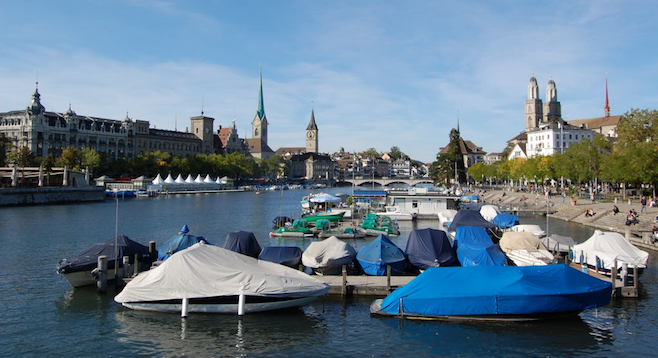
The Secret to Switzerland's Success From Chocolate to Banks: How a Landlocked Nation Became a Financial Giant?

 
There are few countries that can claim the level of prestige and success that Switzerland has achieved. From its renowned luxury goods like chocolate and watches, to its high GDP per capita of over $80,000, Switzerland is a beacon of prosperity and excellence. But what is it about this small, landlocked nation that has allowed it to thrive in a world full of challenges and competition?

One key factor is Switzerland's reputation for trustworthiness. Whether it's the high-value services it provides, the safety of its trains and tourist attractions, or the protection it offers to wealth in its notorious banks, Switzerland is known for delivering on its promises and maintaining the confidence of its clients. This reputation has played a major role in the country's success in international finance and its ability to attract and retain business.

But Switzerland's path to prosperity hasn't always been easy. As a country without direct access to trade routes or sea, and with few natural resources to speak of, it has had to find creative ways to overcome its geographic limitations. Its rugged terrain and harsh climate have also made it difficult to build an efficient infrastructure and to capitalize on cheap labor. So, how has Switzerland managed to succeed despite these disadvantages?

One key factor is the country's history. While it may not have been wealthy at the beginning of the 20th century, Switzerland's economy began to take off around World War II. While other European countries were devastated by the war, Switzerland was able to remain neutral and profit from the chaos by providing weapons and storing wealth for both sides. This neutrality, along with the country's strong currency and history of being a safe haven for wealth, helped it to establish itself as a trusted partner in times of crisis.

But Switzerland's success isn't just due to its history. Its people also have a culture of hard work, thriftiness, and saving money. This mindset, along with the country's welfare system and employment protections, has encouraged a culture of financial responsibility that has served the country well. And of course, there's the matter of the country's banks, which have played a major role in Switzerland's economy and contributed significantly to investment in areas like education and healthcare. With an estimated 25% of global cross-border assets and total banking assets equal to 500% of GDP, it's no wonder that Switzerland is known as a financial powerhouse.

Of course, Switzerland's reputation as a tax haven and safe haven for questionable wealth has also attracted criticism. And while it may not be a perfect country, it is not alone in having a complicated history. But the fact remains that Switzerland has earned its place as a leader in the global economy through its dedication to precision, quality, and trust. Whether you're a fan of chocolate, watches, or financial security, there's no denying the impact that Switzerland has had on the world.

03/01/2023

The Pros and Cons of Dry January: Understanding the Risks of Alcohol Withdrawal Syndrome

 Are you thinking about joining the millions of people around the world who take part in Dry January, or the practice of abstaining from alcohol for the first month of the year? While this trend has gained international popularity over the last decade as a way to reset one's relationship with alcohol, it's important to know that there are potential risks involved, especially for those who are physiologically dependent on alcohol.

So, what are the dangers of alcohol withdrawal syndrome (AWS)? And is it worth the risk to take part in Dry January? Here's what you need to know:

Who's at risk for AWS?

Most people who abstain from drinking for a month will not develop AWS. However, those who drink regularly (daily or near daily) and are dependent on alcohol are at a higher risk. About half of the 14% of adults in the US who have an alcohol use disorder will develop AWS when they reduce or stop drinking. Most will experience mild symptoms, but about 1 in 5 will progress to moderate or severe AWS.

Factors that increase the risk of AWS include the amount and duration of alcohol consumption, a history of complicated withdrawal, underlying medical conditions (such as seizure disorders, traumatic brain injury, eating disorders, liver disease, heart disease, and certain psychiatric conditions), and the use of other substances.

What are the symptoms of AWS?

Mild AWS symptoms usually occur 6 to 12 hours after someone's last drink and can include tremors, anxiety, insomnia, palpitations, headaches, stomach upset, and sweating. Moderate withdrawal generally occurs 12 to 24 hours after the last drink and may include more concerning changes in vital signs and visual, auditory, or tactile hallucinations.

Severe symptoms usually occur 24 to 72 hours after the last drink and may include seizures and delirium tremens (DTs), which consist of disorientation, worsening hallucinations, and agitation. Between 10 and 30% of people with AWS experience seizures, and fewer than 5% experience DTs. These withdrawal symptoms can be life-threatening and may require a trip to the emergency room and hospital admission.

It's important to note that the timeline for AWS can vary greatly from person to person, so it's important to discuss the potential risks and treatment options with a healthcare professional before attempting Dry January or any other period of alcohol abstinence.

Why do some people get AWS?

Withdrawal occurs when the chronic effects of alcohol in the brain and body are suddenly removed. This can cause a variety of physical and mental symptoms as the body readjusts. The severity of these symptoms depends on the amount and duration of alcohol consumption, as well as other factors such as age, underlying medical conditions, and the use of other substances.

How is AWS treated?

AWS can be managed and treated with medications and supportive care. This can include medications to control seizures and DTs, as well as to manage other withdrawal symptoms such as anxiety, insomnia, and tremors. It's important to discuss the treatment options with a healthcare professional before attempting Dry January or any other period of alcohol abstinence.

So, is Dry January worth the risk?

If you're considering Dry January, it's important to be aware of the potential risks and to discuss them with a healthcare professional. For most people who drink moderately, the risks of AWS are low, and the benefits of taking a break from alcohol may outweigh the risks. However, for those who are physiologically dependent on alcohol, the risks of AWS may be higher, and it's important to have a plan in place to detox safely and effectively.

Whether or not you decide to take part in Dry January, it's always a good idea to be mindful of your alcohol consumption and to drink in moderation. If you're concerned about your relationship with alcohol, or if you're experiencing negative consequences as a result of your drinking, it may be helpful to seek support from a healthcare professional or a support group such as Alcoholics Anonymous.

If you do decide to take part in Dry January, there are several things you can do to support your sober journey:

  • Use habit tracking apps such as Strides or I Am Sober to help you change your behaviour and break old routines
  • Make delicious and complex mocktails with textured ingredients like sugar, gomme syrup, teas, and egg whites
  • Support your sober friends by serving fancy bottled water and plenty of other non-alcoholic beverages when you host
  • Read more tips, tricks, and recipes for sober living

In conclusion, Dry January can be a great opportunity to reset your relationship with alcohol, but it's important to be aware of the potential risks, especially for those who are dependent on alcohol. It's always a good idea to discuss your plans with a healthcare professional and to have a plan in place to detox safely and effectively. Whether you decide to take part in Dry January, it's important to be mindful of your alcohol consumption and to drink in moderation.

02/01/2023

A Silver Lining for Investors: A Look at the Potential for Stock Market Recovery in 2023


The MSCI World index of large and mid-cap stocks finished the year down a staggering 20%, indicating that the global stock market has had a challenging year. Since the 2008 financial crisis, when it dropped 40.1%, this is the index's biggest one-year loss.

However, investors who look ahead to 2023 may find some reason for optimism. The MSCI World index has been up an average of 18.4% in the year following a negative one 75% of the time, according to CNBC Pro's analysis of data since 1970. This pattern has continued for the S&P 500 as well. The large-cap index in the United States has a positive return 65% of the time the year after a bad one, with an average increase of 23.7 percent.

However, the first quarter following a year of negative returns has been less predictable, with the S&P 500 declining 55% of the time and the MSCI World index rising 53.3% of the time by an average of 11%. Also, January has had mixed results, with the S&P 500 rising 613.3% of the time and the MSCI World index rising 60% of the time by an average of 4.6 percent.

It is important to remember that past performance is not necessarily indicative of future returns, and the MSCI World index has only fallen for two or more years in a row twice: the aftermath of the Bretton Woods system's collapse in 1973–74 and the dot.com crash in 2000–2002.

The S&P 500 will fall to 3,600 points from its current level of around 3,800 points in the first quarter of 2023, despite this optimistic outlook, according to Goldman Sachs. In the subsequent six months, the investment bank anticipates that the index will rise to 3,900.

While what's in store is consistently questionable, obviously, financial exchanges tend to return following a troublesome year. Hopefully, investors will experience some much-needed relief in 2023.

31/12/2022

Crypto Chaos: The Wild World of Digital Currencies - The Good, The Bad, and The Future


https://www.theindianwire.com/business/top-10-cryptocurrencies-of-2019-242827/
 

As we head into 2023, the future of money is more uncertain than ever before. The rapid rise of cryptocurrencies has disrupted the traditional financial system and raised questions about the role of central banks and traditional financial institutions. While proponents tout the democratizing potential of these digital assets, critics worry about their potential to empower criminal groups and harm the environment.

As the world becomes increasingly digital, it's no surprise that the concept of digital currency has gained traction. Cryptocurrencies, which are created using cryptography and exchanged on decentralized computer networks, have exploded in popularity in recent years. The most well-known of these is Bitcoin, which has at times had a total value exceeding $1 trillion. But other cryptocurrencies, such as Ethereum, have also gained a significant following.

One of the main appeals of cryptocurrencies is their decentralized nature. Transactions can be made relatively quickly and anonymously, even across borders, without the need for a traditional bank to facilitate the process. This gives users greater control over their own finances and allows them to avoid the fees and restrictions often associated with traditional financial institutions.

But the decentralized nature of cryptocurrencies also raises concerns. Without a central authority overseeing their use, there are fewer checks and balances in place to prevent criminal activity. In addition, the energy-intensive process of mining cryptocurrencies has been criticized for its impact on the environment.

To combat this issue, governments and financial regulators around the world are working to develop regulations and oversight mechanisms for cryptocurrencies. Some countries have implemented strict regulations on their use, while others have taken a more hands-off approach. Despite these efforts, it is likely that cryptocurrencies will continue to be used for illegal purposes in some cases. It is important for authorities to remain vigilant and adapt their approaches as needed in order to address this issue.

In response to the growing popularity of cryptocurrencies, financial regulators around the world are working to come up with appropriate regulations. Some governments have embraced these digital assets, while others have banned or limited their use. Central banks, including the U.S. Federal Reserve, are also exploring the possibility of introducing their own digital currencies.

In the coming years, it's likely that we will see a continued evolution in the world of money. The rise of digital currencies has already had a significant impact, and it's likely that their influence will continue to grow. While the future is uncertain, one thing is clear: the way we think about and use money is changing rapidly, and it's important to stay informed about these developments. So, it's high time to keep a close eye on the future of money and the role that cryptocurrencies will play in it.

In conclusion, the rise of cryptocurrencies has sparked a debate about the future of money. On one hand, these digital assets offer the potential for greater financial inclusion and decentralization. On the other hand, they have been linked to illicit activity and have faced criticism for their environmental impact. As we move into the future, it is crucial that we carefully consider the potential risks and rewards of these technologies and work to find a balance that benefits both individuals and society as a whole. Whether cryptocurrencies will ultimately become a mainstream form of currency remains to be seen, but one thing is clear: the way we think about and use money is evolving at a rapid pace, and it's important to stay informed about these developments.

29/12/2022

Alphabet: The AI Stock with Strong Growth Potential and Diverse Benefits - AI Stock to Buy in the New Year

Consider Alphabet if you want to invest in an AI stock with strong growth potential and numerous benefits. Alphabet, the parent company of Google, YouTube, and Waymo, has a diverse range of AI-powered products and services that have the potential to deliver significant returns to investors. 


The dominance of Google in the search market is one of the primary reasons to invest in Alphabet. Google has unparalleled ad-pricing power and the ability to generate significant cash flow for the company, with a 91-93% share of global internet search. Furthermore, Pathways, Google's next-generation AI architecture, represents a significant technological advancement that will help the company's monetization efforts and drive growth. 

Another advantage of investing in Alphabet is that the company uses artificial intelligence to moderate content on YouTube, which has 2.5 billion monthly active users. Alphabet is able to maintain the user experience and keep users engaged on the site by using AI to ensure that the platform's content meets community guidelines. 


Finally, Alphabet's Waymo division is leading the charge in self-driving autonomy and is on the verge of reaching level 5. Investing in Alphabet provides you with access to a company at the cutting edge of this exciting and rapidly evolving technology. 

Overall, Alphabet provides numerous advantages to investors, including strong growth potential, market dominance, and access to cutting-edge AI technologies. If you're looking to invest in an AI stock, Alphabet is a great place to start.


Karl Liebknecht and Rosa Luxemburg's Quest for a Proletarian Dictatorship: The Spartacist Uprising and Its Consequences

Germany was in a dire state after its defeat in World War I, suffering from food shortages and the influenza epidemic that swept Europe. The Kaiser abdicated as emperor and, on November 8th, 1918, a socialist republic was reluctantly proclaimed in Berlin by the moderate Social Democrat leader Friedrich Ebert. At the same time, there was a naval mutiny at Kiel and the Baltic and North Sea ports were falling under the control of councils modelled after those in Russia.

This situation was welcomed by Marxist leaders Karl Liebknecht and Rosa Luxemburg, who believed that the revolution in Russia would spread to Germany and across Europe. Liebknecht, who hoped to become the German Lenin, was a left-wing lawyer who had opposed German involvement in the war. Along with Rosa Luxemburg and others, he founded the Spartacist League, named after the gladiator Spartacus, who led a slave rebellion against the Roman government in the first century BC. The group's pamphlets were quickly declared illegal and Liebknecht was sent to the eastern front, where he refused to fight and spent his time burying dead soldiers. He was eventually allowed back to Berlin and sentenced to prison for treason after a Spartacist demonstration in the city in 1916.

Liebknecht and Luxembourg on the photos in the background
 

Rosa Luxemburg, the daughter of a Polish Jewish family, was active in Polish left-wing politics from a young age. She spent most of her adult life in Germany, where she was imprisoned several times for opposing the war and campaigning for a general strike. In Spartacist publications, she used the pseudonym Junius, after Lucius Junius Brutus, the founder of the Roman Republic around 500 BC. Like Liebknecht, she was sentenced to prison for treason in 1916. She did not approve of the Bolsheviks like Liebknecht did, but called for a dictatorship of the proletariat. After both were released from prison in 1918, they started the Red Flag newspaper and, at the end of the year, founded the Communist Party of Germany with Liebknecht and Luxemburg as its leaders.

This was followed by an uprising in Berlin against Ebert's regime, which was encouraged by Soviet Russia. Initially, Luxemburg opposed the uprising, but joined in after it began, and it was supported by the Red Flag. The Berlin police chief, who was a radical sympathizer and had just been dismissed, supplied weapons to protesters who erected barricades and seized the offices of an anti-Spartacist socialist newspaper. Calls for a general strike brought thousands of demonstrators into the city, but the Revolution Committee leading the uprising could not decide what to do next. Some wanted to continue the armed insurgency, while others started discussions with Ebert. Attempts to get army regiments in Berlin to join the revolt failed.

By January 11th, Liebknecht and Luxemburg had lost control of events and Liebknecht could only say, “Ultimately one should accept history as it develops.” The left-wing revolution was put down by force on Ebert's orders by the army and the Freikorps volunteer militias, which had been formed from returning soldiers and trained by the army. Equipped with artillery, machine guns, and grenades, they retook the police headquarters, the war ministry, and other buildings captured by the revolutionaries and shot hundreds of demonstrators, including many who surrendered. The government disbanded the workers' and soldiers' councils. The outcome showed that there was no widespread support for communism, and elections on January 19 were a triumph for the Social Democrats. Liebknecht and Luxemburg were arrested and charged with high treason. Liebknecht was shot while being transferred to prison, while Luxemburg was beaten to death by soldiers. Ebert's government declared a state of emergency and arrested thousands of Spartacists, communists, and other left-wing activists. A month later, the Spartacist Uprising was officially declared over.

The failure of the Spartacist Uprising had significant consequences for Germany and the rest of Europe. It showed that there was no widespread support for communism and led to the triumph of the Social Democrats in the elections. It also contributed to the rise of right-wing militias and the establishment of a conservative government in Germany, which helped pave the way for the rise of the Nazi Party in the 1930s. The deaths of Liebknecht and Luxemburg, two prominent figures in the German communist movement, also had a lasting impact on the development of communism in Germany and Europe. The Spartacist Uprising is a reminder of the dangers of extremism and the importance of democracy and the rule of law. It is a cautionary tale of what can happen when people are driven to desperation by economic and political instability, and when ideologues seek to seize power through violence and intimidation. We must learn from the lessons of the Spartacist Uprising and work to build a more just and equitable society for all.

27/12/2022

The Destructive Legacy of Narcopolitics in Latin America: From Escobar to ElChapo

 In the 1980s, the world was introduced to the ruthless and powerful world of narcopolitics in Latin America with the rise of Colombian drug lord Pablo Escobar. Born into poverty in 1949, Escobar rose to become one of the wealthiest and most feared criminals in history, amassing a personal fortune estimated at over $30 billion through his control of the Medellín cartel.

Escobar's empire was built on the illegal drug trade, specifically the production and distribution of cocaine. He and his cartel dominated the global market, with the United States as their primary customer. But it was not just the illegal nature of Escobar's business that made him infamous. He was also known for his brutal tactics, including murder, bribery, and intimidation, to maintain his power and protect his interests.

As Escobar's influence and wealth grew, so did his involvement in politics. He used his vast resources to bribe officials and politicians, ensuring their loyalty and cooperation. He also used his wealth to win support from the poor, using his charity work and community projects as a way to buy loyalty and maintain his power.

However, Escobar's reign of terror and corruption came to an end in 1993 when he was finally tracked down and killed by Colombian authorities. Despite his death, the legacy of narcopolitics in Latin America lived on.

In the following decades, other drug cartels and criminal organizations emerged, taking over where the Medellín cartel left off. One of the most well-known of these is the Sinaloa cartel, led by Mexican drug lord Joaquín "El Chapo" Guzman.

Like Escobar, El Chapo rose from humble beginnings to become one of the most powerful and feared criminals in the world. He built his empire on the production and distribution of illegal drugs, specifically marijuana and cocaine, and used violence and corruption to maintain his power.

El Chapo's rise to power was aided by the corruption and weak governance in Mexico, where the government's inability to control the cartels allowed them to operate with impunity. This has led to widespread violence and instability in the country, as the cartels fight for territory and control.

The impact of narcopolitics in Latin America extends beyond the criminal organizations and the countries where they operate. The illegal drug trade has contributed to the destabilization of entire regions, as well as the corruption of government officials and institutions. It has also had a devastating impact on the people living in these areas, who are caught in the crosshairs of the violence and corruption.

The cycle of narcopolitics in Latin America shows no signs of slowing down, and the impact of this illegal and destructive industry will continue to be felt for years to come. It is a complex and deeply entrenched problem that will require concerted efforts from governments, law enforcement, and civil society to address and ultimately overcome.

22/12/2022

The Swedish Social Safety Net: A Look at Its Features and Challenges

 Sweden is often lauded for its extensive social welfare programs and robust economy. Located in the northern region of Europe, Sweden is a welfare state that combines aspects of capitalism and socialism within its mixed economy. Throughout its history, the Swedish economy has been known for its stability and prosperity, ranking highly on global indices of quality of life, happiness, and economic competitiveness.

One of the foundational elements of the Swedish economy is its social security net, which is designed to provide a significant level of support and security for its citizens. Sweden boasts a comprehensive welfare system that encompasses a broad range of social services, including healthcare, education, housing, and social security.

The Swedish healthcare system is accessible to all citizens and is funded through taxes. It is widely regarded as one of the most exceptional healthcare systems in the world, offering a high degree of accessibility, quality, and efficiency. Healthcare in Sweden is provided through a combination of public and private providers, with the majority of care being administered by the public sector.

Education in Sweden is also universally available and funded by the government through taxes. The Swedish education system is highly ranked globally and is known for its emphasis on equal access and high quality. Education in Sweden is compulsory for children between the ages of 7 and 16, and it is free for all students, including international students.

In addition to healthcare and education, the Swedish welfare state also offers a range of other social services, including housing assistance, unemployment benefits, and social security. Housing in Sweden is generally considered to be affordable, and the government provides assistance to low-income households through various housing benefit programs. Unemployment benefits are available to help individuals who are out of work, and social security programs provide support to those who are unable to work due to disability or old age.

While the Swedish welfare state is frequently praised for its comprehensive social programs, it is not without its challenges. The cost of these social programs is funded through high taxes, which some argue can be burdensome for businesses and individuals. Additionally, some critics argue that the Swedish welfare state can create disincentives for work, as high levels of social security can make it less necessary for individuals to seek employment.

Despite these challenges, the Swedish economy has remained strong and competitive. Sweden has a highly developed and diversified economy, with a focus on high-tech industries such as telecommunications and pharmaceuticals. The Swedish economy is also driven by its export sector, with the country exporting a wide range of goods and services, including forestry products, machinery, and automotive parts.

In conclusion, the Swedish economy is defined by its extensive social welfare programs and robust economic performance. While the cost of these social programs is funded through high taxes, they provide a significant level of support and security for the country's citizens. The Swedish economy is also highly developed and diversified, with a focus on high-tech industries and a strong export sector. Overall, the Swedish model of combining capitalism and socialism has contributed to the country's long history of stability and prosperity.

Cheating by using Artifical Intelligence


Cheating has been a problem in education and testing for as long as these institutions have existed. From handwritten notes smuggled into exams to hiring someone else to take a test on your behalf, cheating takes many forms. In recent years, however, a new tool has emerged that is making cheating easier and harder to detect: artificial intelligence (AI).

AI has the potential to revolutionize education and testing, but it also presents a new set of challenges when it comes to cheating. In this article, we'll explore the ways in which AI is being used to cheat, the potential consequences of this type of cheating, and what can be done to prevent it.

One of the most common ways that AI is being used to cheat is through the use of essay-writing software. These programs use machine learning algorithms to analyze a prompt and generate a response based on a database of pre-written essays. The result is an essay that appears to be written by a human, but is actually the product of a machine.

Essay-writing software has been around for a while, but it has become more sophisticated in recent years. Some programs can even incorporate specific keywords and style elements to make the essay more convincing. This type of cheating is particularly insidious because it is difficult to detect. Unless the person grading the essay is an expert in AI and can spot the telltale signs of machine-generated content, it is likely to go undetected.

Another way that AI is being used to cheat is through the use of automated proctoring software. These programs use AI to monitor students during online exams, looking for signs of cheating such as suspicious activity or the use of unauthorized materials. However, some students have figured out how to exploit these systems by using AI-powered bots to mimic their behavior and throw off the proctoring software.

One example of this type of cheating occurred in 2020, when a group of students at a university in China were caught using a bot to take their online exams for them. The bot was programmed to mimic the students' facial expressions and movements, making it difficult for the proctoring software to detect that something was amiss.

The use of AI to cheat has serious consequences for both the individual cheater and the educational system as a whole. For the cheater, the consequences can range from failing the exam or course to being expelled from school. This can have a lasting impact on the cheater's academic and professional prospects.

In addition, the use of AI to cheat undermines the integrity of the educational system. If students are able to cheat with the help of AI, it undermines the value of the degrees and qualifications they earn. This can have a ripple effect, as employers may be less likely to trust the credentials of graduates from institutions where cheating is prevalent.

So, what can be done to prevent the use of AI to cheat in education and testing? One solution is to improve the capabilities of proctoring software so that it is more difficult to trick with bots. This could include the use of more advanced AI algorithms that are better able to detect suspicious activity.

Another solution is to educate students about the consequences of cheating and the importance of academic integrity. This could involve incorporating lessons about academic integrity into the curriculum or providing resources for students to learn about the dangers of cheating.

Finally, institutions can adopt more stringent policies and procedures to prevent cheating. This could include things like requiring students to use a webcam during online exams or implementing stronger security measures to prevent the use of essay-writing software.

In conclusion, the use of AI to cheat in education and testing is a growing problem that has serious consequences for both the individual cheater and the integrity of the educational system. While there is no easy solution, there are a number of steps that can be taken to prevent it. These include improving the capabilities of proctoring software, educating students about academic integrity, and implementing stricter policies and procedures. It is important for educational institutions to stay up-to-date on the latest techniques being used to cheat and take proactive steps to prevent it. Only by working together can we ensure that education remains a fair and honest process.